A simple guide to reading the BIS hallmark, understanding HUID, and buying gold with confidence in India.
Gold is both adornment and asset. Families buy it for weddings, festivals, gifting, savings, and security. That is exactly why purity matters. A beautiful piece should also be honest about what it contains. The hallmark is what turns that trust into something you can verify.
If you are buying gold jewellery in India, learning how to read a hallmark is one of the simplest and most useful things you can do. It helps you understand purity, avoid confusion, and make better decisions before you pay.
What a hallmark means
A hallmark is an official mark that certifies the stated purity of precious metal jewellery. In India, gold hallmarking is governed by the Bureau of Indian Standards (BIS). A BIS hallmark tells you that the piece has been assessed under the recognised system for purity and identification.
Purity should never depend on guesswork. A hallmark gives the customer something better than a promise: a standard that can be checked.
On modern gold jewellery, you will typically look for three practical identifiers: the BIS mark, the fineness or karat marking, and the HUID number. Together, they help you confirm that the piece has been registered and identified properly.
Why hallmarking matters before you buy
Most people cannot judge gold purity with the naked eye. Two ornaments may look almost identical while carrying very different gold content. Hallmarking closes that gap. It gives the buyer a clearer understanding of what is being purchased and reduces the chance of dispute later.
- It helps verify the stated purity of the ornament.
- It gives more confidence when exchanging, selling, or valuing the jewellery later.
- It creates a more transparent standard between buyer and jeweller.
- It supports informed comparison when you are choosing between pieces or stores.
The markings you should check
When examining a gold ornament, do not stop at a quick glance. Ask to see the hallmark clearly, ideally under proper light or magnification.
1. BIS mark
The BIS symbol is the first sign that the jewellery has been hallmarked under the Indian system. It is the mark most buyers recognise first.
2. Purity or fineness mark
This tells you the purity level of the gold. Common examples include:
- 22K916 for 22 karat gold, meaning 91.6% purity
- 18K750 for 18 karat gold, meaning 75% purity
- 14K585 for 14 karat gold, meaning 58.5% purity
The number matters because it reflects the fineness of the gold in the piece, not just the appearance of the finish.
3. HUID number
The Hallmark Unique Identification, or HUID, is an alphanumeric code assigned to the ornament. It gives each piece its own identity within the hallmarking system. This is the code you can use when verifying details through BIS channels.
Where the hallmark is usually found
The hallmark is often placed on a part of the ornament that stays discreet but accessible for inspection. The exact location varies by design.
- Inside a ring band
- Near the clasp of a chain or necklace
- On the reverse of a pendant
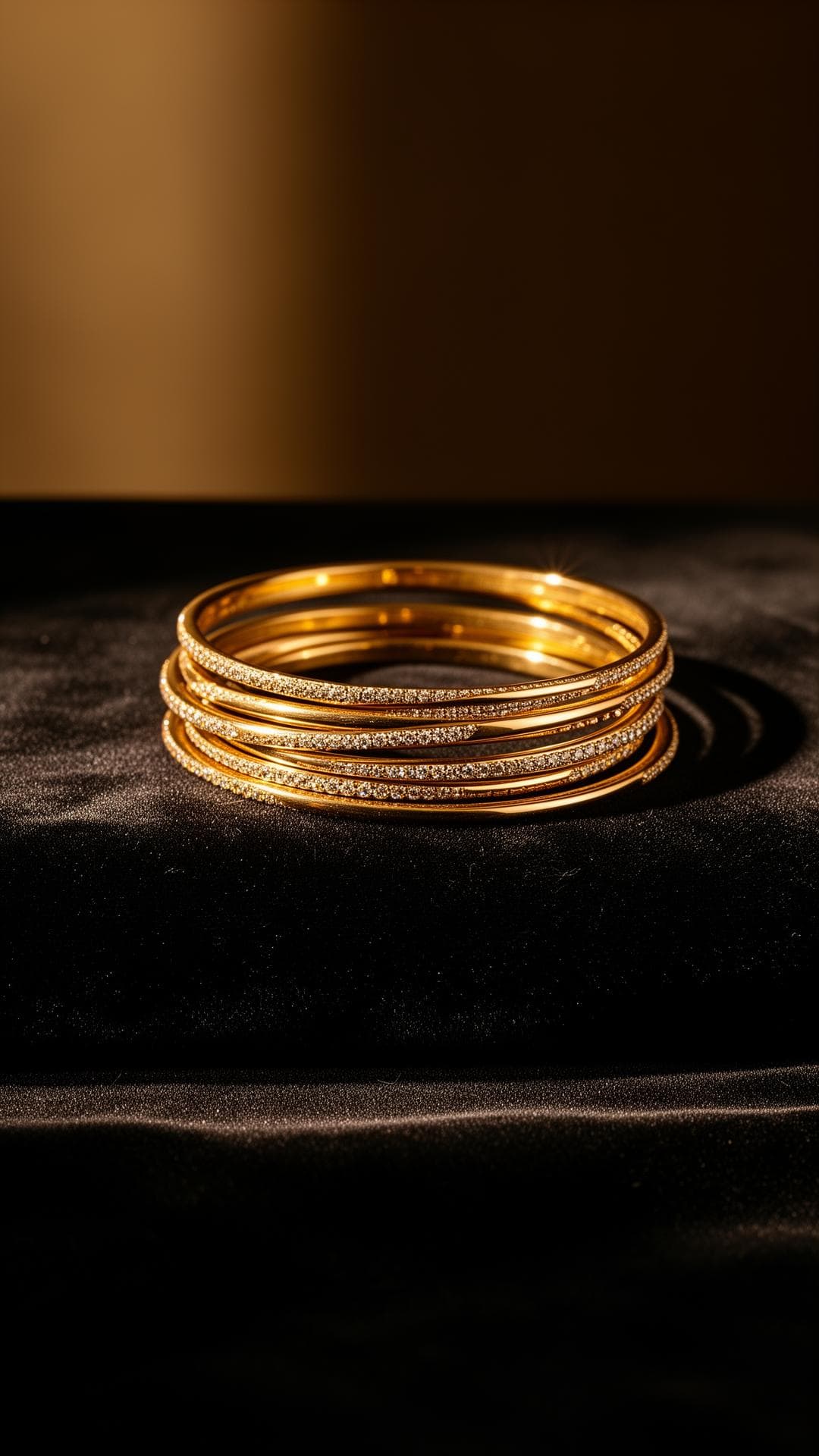
- On the inner side of a bangle or bracelet
Very delicate or highly detailed pieces may need careful viewing. If you cannot locate the mark easily, ask the jeweller to point it out instead of assuming it is present.
How hallmarking is applied
Jewellery marks may be applied using different techniques depending on the design and manufacturing process. Older or heavier ornaments are often associated with stamped impressions, while many newer designs use more refined marking methods that interfere less with the surface.
What matters most to the customer is not the style of application but whether the identifying marks are clear, consistent, and traceable.
How to verify hallmark details
If you want an extra layer of assurance, verify the HUID through the BIS Care app or the relevant BIS verification channel available at the time of purchase. Matching the code to the ornament details gives you more confidence that the piece corresponds to the recorded hallmark information.
It is also wise to read your invoice carefully. The bill should reflect the purchase clearly enough for future reference, especially when you need valuation, exchange, or documentation later.
A practical checklist before payment
- Inspect the BIS mark and purity marking on the ornament itself.
- Confirm whether the purity matches what was explained to you in the showroom.
- Check the HUID and verify it if needed.
- Ask for a proper bill with clear pricing breakup.
- Do not hesitate to ask where the hallmark is located if it is hard to see.
Why this matters later as well
Hallmarked jewellery is not only easier to buy with confidence; it is also easier to discuss later in terms of value. Whether the piece becomes part of a family collection, is exchanged, or is assessed for financial reasons, documented purity helps everyone begin from a clearer place.
Final word
Knowing how to check a hallmark does not require technical expertise. It simply requires attention. A few marks on a piece of jewellery can tell you a great deal about purity, identity, and accountability.
At Patra, we believe trust should be visible. If you are ever uncertain while choosing a piece, ask to see the hallmark, understand the purity, and take the time you need before deciding. Gold should feel beautiful in the hand and reassuring in the mind.
Frequently asked questions
How can I check a gold hallmark online?
You can verify the HUID through BIS verification tools such as the BIS Care app, depending on the options currently provided by BIS. Entering the code helps you check whether the ornament details align with the hallmark record.
What does 916 mean on gold?
916 refers to 22 karat gold, which means the ornament contains 91.6% pure gold.
Is hallmarking important even for small pieces?
Yes. Whether the item is a ring, pendant, bangle, or chain, hallmarking matters because purity matters in every piece.
Can I rely only on appearance to judge purity?
No. Gold colour and shine do not reliably tell you purity. Hallmarking is far more dependable than visual judgment alone.