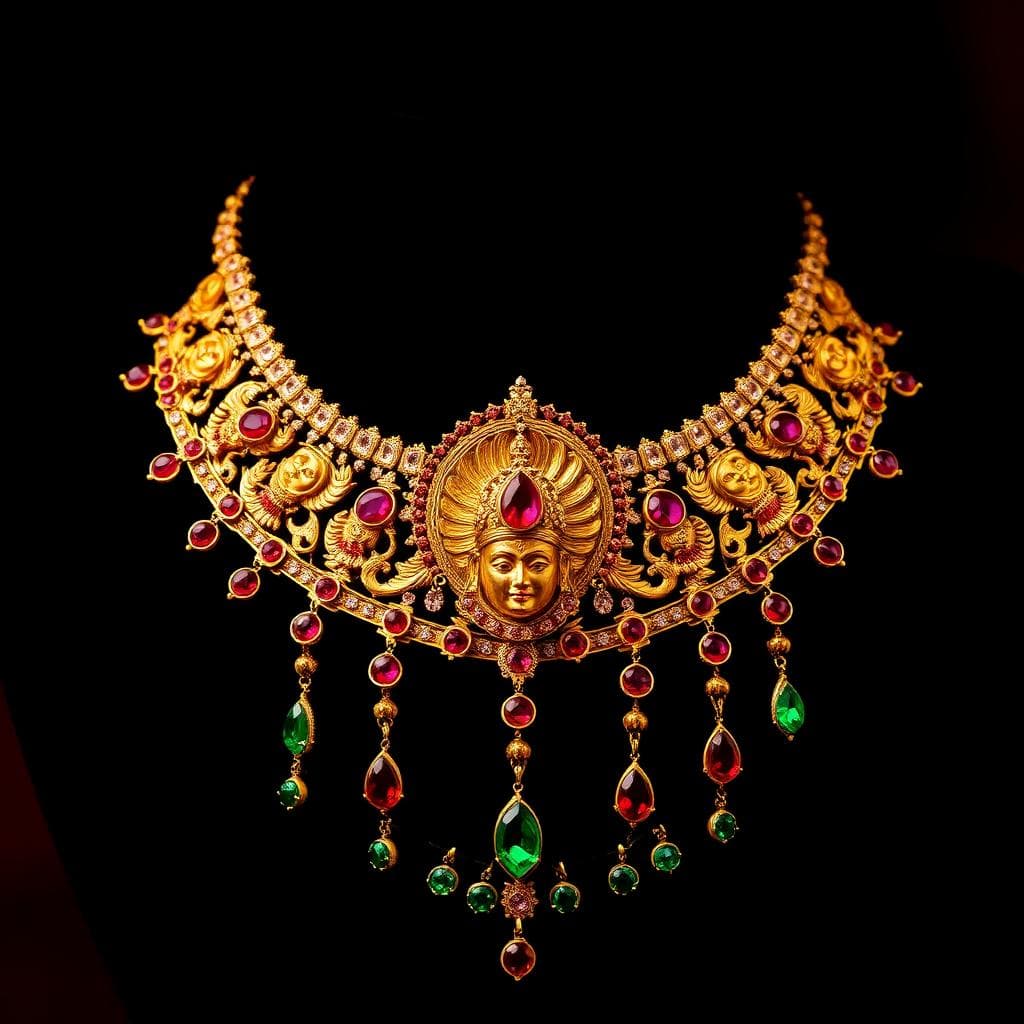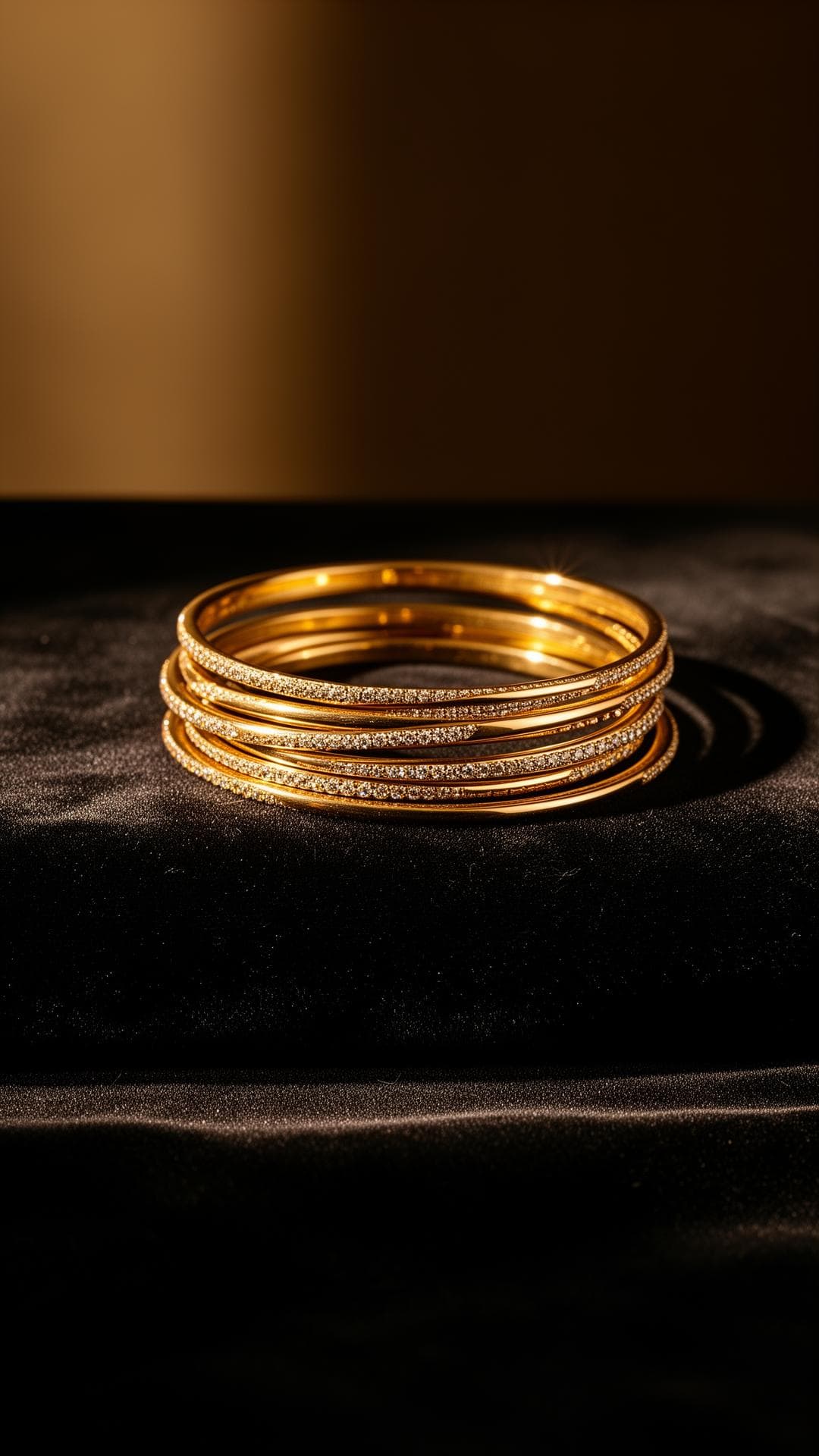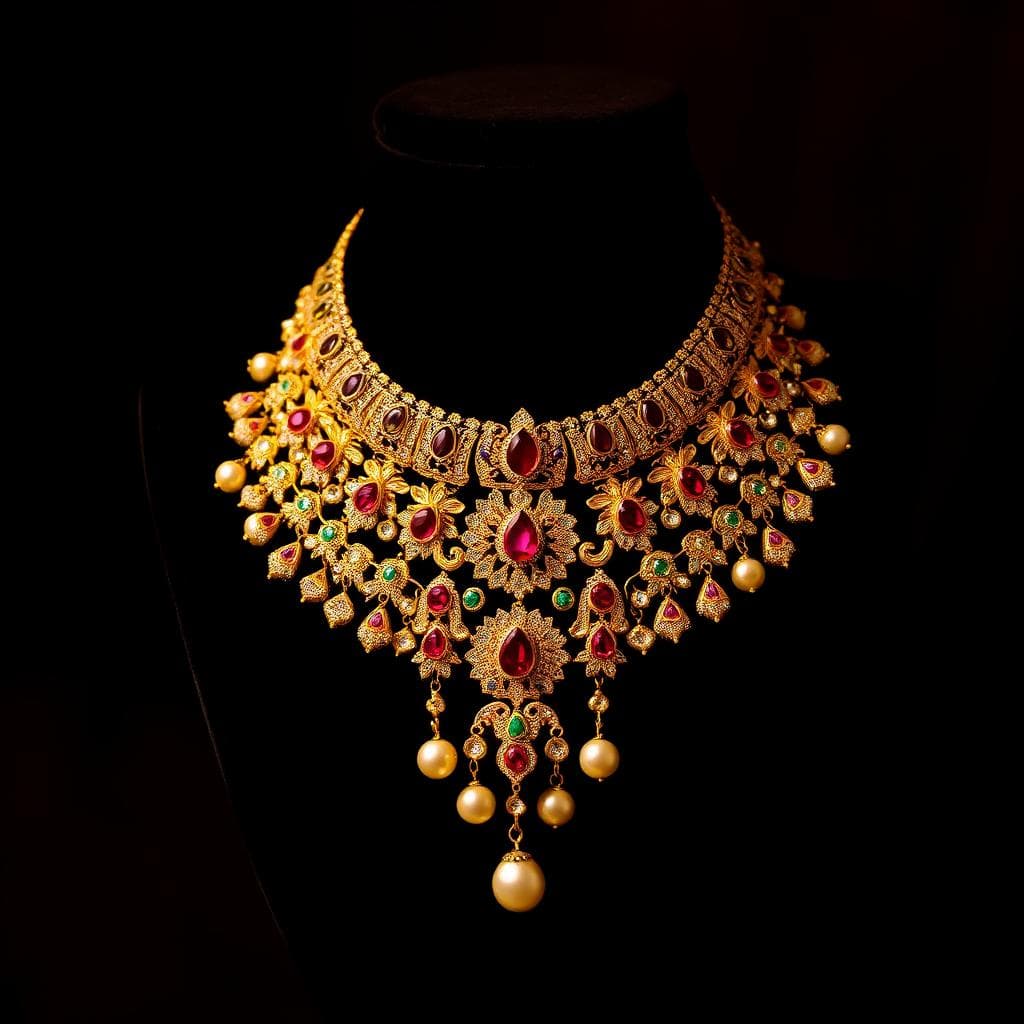
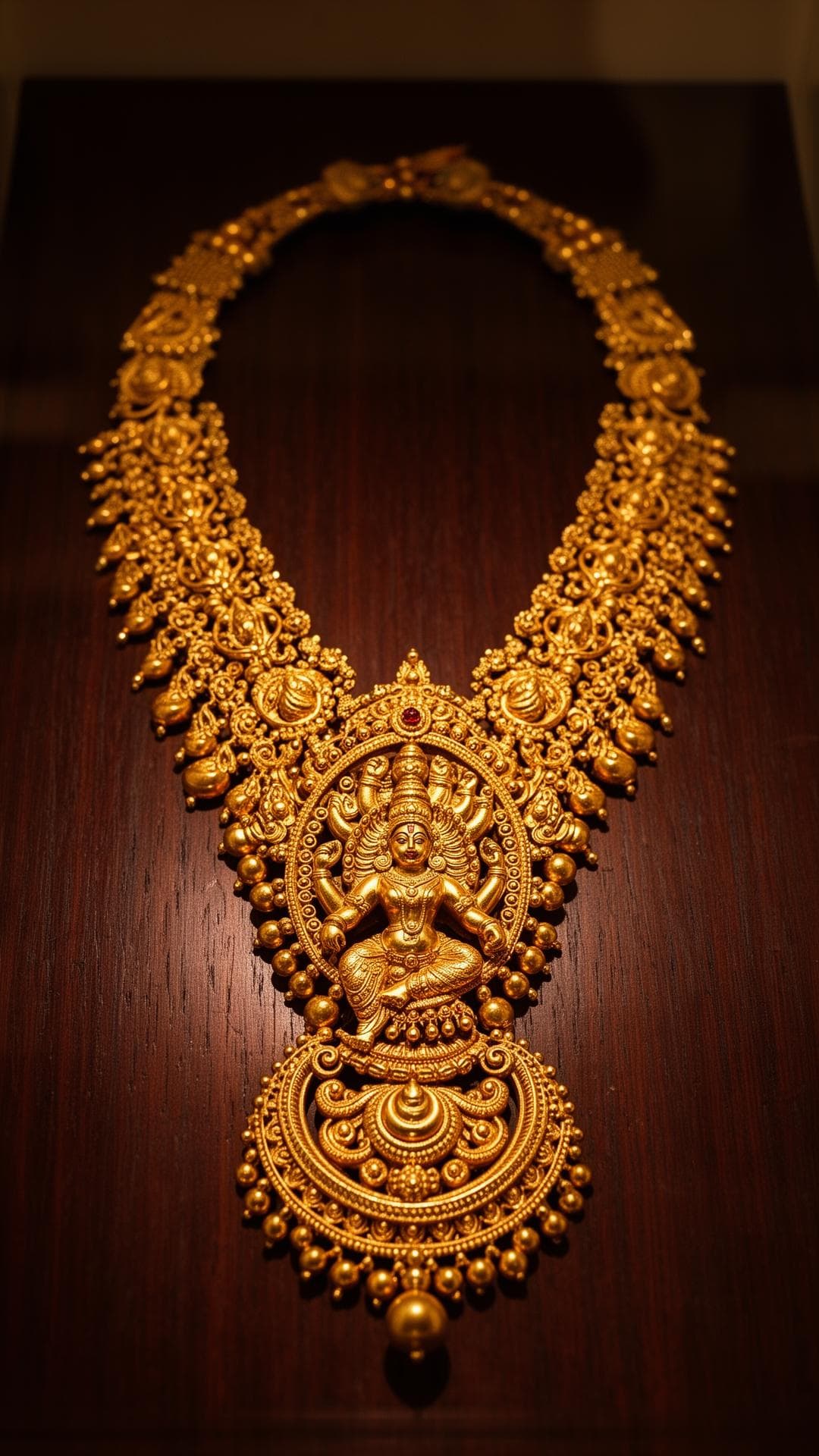
Jajpur has been a centre of metalwork since the age of empires. To understand Patra, you must first understand the soil the craft grew from.
Long before Patra opened its first counter, Jajpur was already a city that understood gold. Set on the banks of the Baitarani, it has been a seat of art and devotion for over a thousand years — a place where temples and workshops rose side by side.
A craft older than the city
Odishan goldsmithing did not arrive in Jajpur. It grew from here. The techniques — fine filigree, temple relief, the patient hammering of sheet gold — were never imported. They are the accumulated knowledge of a region that has shaped precious metal for generations, passed from hand to hand and never written down.
The artisan does not hurry the metal. The metal reveals itself, in its own hour, under patient hands that have learned to listen.
Why it matters today
When you wear a Patra piece, you are not simply wearing gold. You are wearing the memory of the hands before it — a lineage of makers who understood that beauty is not manufactured, it is made.